
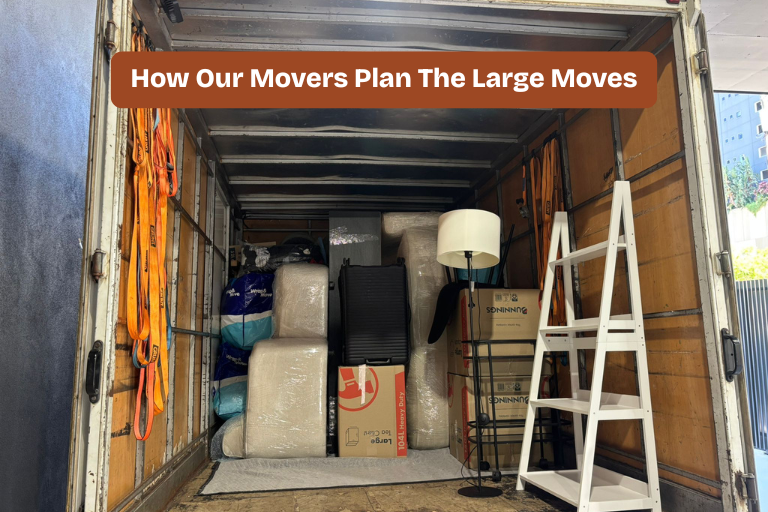
How Our Removalists Plan Large Moves. Moving a big load, especially one involving machinery or oversized loads, is more than logistics; it’s about accuracy, adherence to regulations, and risk mitigation. Professional heavy equipment moving companies have a systematic and meticulous approach that guarantees the safe and efficient handling of each move.
In this article, we outline the methodology employed by expert removalists for large-scale relocation projects.
Table of Contents
ToggleWhy Planning Matters for Heavy Equipment Movers
A major move requires much more complication than an ordinary move.
The equipment could weigh up to a few tons, have special clearance requirements, and needs proper handling.
The cost of the equipment is estimated between $100,000 and even $1,000,000 or more, thus making the risk extremely high
Special attention should be paid to the dimensions of the roadways in terms of height, width, and weight.
Actually, for each hour of moving time, two-three hours are spent on organization.
Step-by-Step Process Used by Heavy Equipment Moving Companies
1. Initial Assessment by Heavy Equipment Movers
Prior to any movement, assessment by the professionals from heavy equipment movers is performed.
Assessment includes:
- Dimensions and weight of equipment
- Accessibility of the site
- Constraints associated with loading/unloading
- Hazards (proximity to power lines, weak floor structure, etc.)
- It guarantees no unexpected situations during the move.
2. Route Planning by Heavy Equipment Moving Companies
One of the most important phases is route planning that must be done by the professionals from heavy equipment moving companies.
Aspects taken into account:
- Load limits of bridges
- Width of roads and turning radius
- Restrictions and timings for traffic
- Conditions depending on weather and season
- Larger equipment can even be transported in pieces and at certain times to minimize risks
3. Permits and Compliance for Movers for Heavy Items
During collaboration with movers for heavy items, adherence to requirements is obligatory.
Common permits used:
- Oversize load permits
- Permits for highways/local streets
- Approvals for escort vehicles
- Permissions for time-restricted transport
4. Equipment Selection by Heavy Equipment Movers
| Equipment Type | Best Use Case |
|---|---|
| Lowboy trailers | Tall machinery |
| RGN trailers | Drive-on equipment |
| Multi-axle trailers | Extremely heavy loads |
| Flatbeds | Smaller industrial items |
Using inappropriate equipment may expose one to dangers and liability problems.
5. Preparation by Movers for Heavy Items
Preparation makes things safer and efficient.
Some things to do include:
- Flushing fluids and reducing weight
- Unplugging any power and wires
- Dismantling the removable parts
- Recording the condition of the machinery
- Proper preparations ensure there will be no damage.
6. Loading and Binding Heavy Machinery by the Heavy Equipment Movers
This is the most crucial part of moving.
Steps involve:
- Analyzing the weight distribution
- Computing the center of gravity
- Employing the use of chains, straps, and binders
- Performing another final inspection
- Improper loading is among the top causes of damage while transporting.
7. Executing and Monitoring during Transportation of Heavy Equipment Movers
When the heavy equipment moves, monitoring is key.
Some things the movers do include:
- Tracking the transportation through GPS
- Inspecting the load stability during breaks
- Coordinating with escort vehicles
- Changing route if necessary
Key Planning Elements at a Glance
| Stage | Purpose | Risk if Ignored |
|---|---|---|
| Assessment | Understand load & site | Incorrect planning |
| Route Planning | Safe navigation | Delays, accidents |
| Permits | Legal compliance | Fines, stoppage |
| Equipment Selection | Safe transport | Damage risk |
| Preparation | Reduce hazards | Equipment failure |
| Loading | Stability | Accidents |
| Monitoring | Real-time control | Uncontrolled risks |
Challenges Faced by Heavy Equipment Movers
Despite being among the best, any heavy equipment moving company faces obstacles like:
- Change in regulations
- Route disruptions that occur suddenly
- Weather
- Physical infrastructure
Therefore, all well-experienced moving firms will always have an alternative plan and alternate route just in case.
How Movers for Heavy Items Guarantee Safety
The safety guidelines observed by the movers for heavy items include:
- Rigging and lifting procedures are certified
- Operators and engineers are trained
- Advanced technology in the use of machines
- Documentation of everything at all times
- Safety isn’t a guideline, it’s a whole process.
Conclusion
Moving big stuff requires specialized services. From conducting an assessment to ensuring safe delivery, all professionals in the moving of such equipment observe strict steps and processes to minimize hazards.
If you are preparing for a difficult move, you can work with an expert company to avoid frustrations and unnecessary expenses. In XMovers, you can rely on us to handle all your needs concerning moving large equipment. Visit XMovers for more information.
FAQs
1. What do heavy equipment movers do?
They plan, transport, and deliver big machines, making sure everything is done safely and legally.
2. Why should I hire moving services for my heavy things?
Because they have the right equipment and know the rules for moving such cargo.
3. How long will my big move take?
It varies, but the planning phase always takes longer than the actual transportation.
4. Do I need any permits to move my heavy equipment?
Most of the time, yes, especially for oversized or overweight cargos.
5. How can heavy equipment movers guarantee my load’s safety?
With careful planning, certified drivers, and a monitoring system.